Summer Camp Memories

Thinking today of the 10 years I spent atop Lookout Mountain in Mentone, Ala., at Camp Skyline Ranch. My parents used to drop me and my little sister Janna there every July for an entire month while they headed off on one golf adventure after another. Jan and I were oblivious to their plot; all we knew was that July meant camp and that was the best month of the year. Skyline and Mentone were my summers and both are forever, wonderfully etched into my memories. To quote an old friend, Barbara Ballin Newman, “I’m convinced…Camp Skyline Ranch in the 1970’s was the happiest place on earth.”

When Arielle turned 6, we carted her off to Mentone so she could experience the camp life–this time at Saddle Rock Camp for Girls, originally built in 1926 as Cloudmont Camp for Boys. We wanted Arielle to be with my former camp director, Marty Griffin, who by then owned the 80-acre Saddle Rock along the meandering Little River. Our girl camped there happily each summer until she was 12.

For all you parents sending your own kids off to camp this summer, writer Garrison Keillor offers this parent’s prayer, published in the Chicago Tribune on June 30, 2010:   http://bit.ly/dq06dO 

Here’s to all our summer camp memories.

Related Posts

Our City-Country Life

We’re now pretty settled into our life of contrasts:  weekdays in the city…working hard, racing through the days; weekends in the country…working hard, strolling through the days.  Here are just a few reasons why we love both. 

Top 10 Reasons Why We Love Living in the City:

1.   Morningside
2.   Our C. 1925 house/fixer-upper (still working on it after 18 years)
3.   Piedmont Park
4.   Adrian’s soccer games
5.   Alon’s Bakery
6.   DeKalb Farmers Market
7.   The oh, so many good restaurants
8.   The Fox Theatre
9.   Local friends
10. Fast pace

Top 10 Reasons Why We Love Living in the Country:
1.   The stars
2.   The Appalachian foothills
3.   The frogs that serenade us to sleep at night
4.   Waking up to the sun each morning, not the alarm clock
5.   Our big, ole ’70s Gunite pool
6.   Area codes aren’t needed when calling local
7.   Folks just driving up your driveway when they want to talk with you, usually with a bag of fresh-picked tomatoes, peaches or okra
8.   The Chief Ladiga Trail
9.   Local friends
10. Slow pace

Related Posts

Small, Knowing Moments

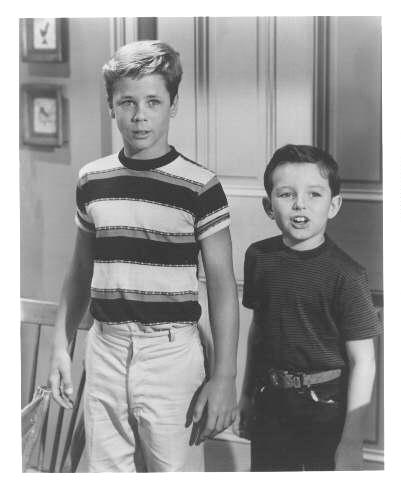
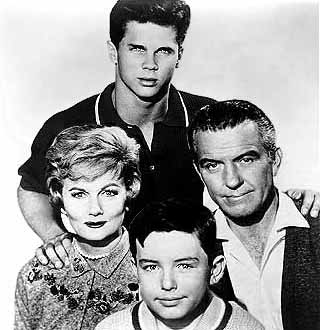
On October 4, 1957, America met The Beaver. And the rest is television history. Now, the complete series, all six seasons of “Leave it to Beaver,” is out on DVD at The Shout! Factory (http://bit.ly/cpsdL9). In describing the lasting appeal of The Beav, New York Times TV writer Neil Genzlinger said that the show was full of “small, knowing moments”
(http://nyti.ms/9AD6AW). To this he adds: “Television was a much slower animal back then. You have to detox mentally to watch these shows, to lay aside your caffeine and BlackBerry addictions and be prepared to wait for your rewards.” 

I’m ordering these DVDs right now.   

Related Posts

Summer Kitchen Notes

Note:  Our garden is starting to yield herbs and vegetables.  It’s the first garden we’ve had in, well, I don’t know how long…at least a decade…maybe two. And I’ve been admiring and smelling our beautiful basil, wondering what we should cook with it.  Here’s an easy recipe.  The cook says serve it up with a platter of summer squash, sliced tomatoes and a bottle of white wine.  Hope you enjoy.

Basil and Lemon Chicken

In a large bowl, mix 1/2 cup each of chopped spring onions and fresh basil leaves. Add the juice of one lemon, salt and pepper. Mix and rub onto 6 chicken pieces and place in a well-oiled baking pan. Drizzle with a little olive oil. Roast, uncovered, at 350 degrees for about 30 minutes, depending on the size of the chicken. Garnish with more basil leaves and lemon slices. Serves 6.

Recipe by Frances Mayes

“Summer Kitchen Notes”-Under the Tuscan Sun

Related Posts

Reading List

From USA Today, a write-up on the book, The Heart of Simple Living. Former journalist/ Harvard alum Wanda Urbanska fled NYC and LA 20+ years ago to take over the family orchard in Virginia. “That was the defining moment,” she says. “I embraced the simple lifestyle.” 

More at http://bit.ly/bJJLQh

Here are Ms. Urbanska’s 12 tips for a simpler life.  (#3, 8, 9 and 12 are my favs…what are yours?)

1. Pay bills immediately. As long as a bill is hanging out there in the unpaid category, it occupies mental space.
2. Bring a mug to work. Instead of going through stacks of single-use disposable cups at work, bring your own ceramic mug. Same goes for a water bottle, plate, silverware and any other frequently used items.
3. Spend time outdoors. Whether it’s sunny or overcast, step outside every day to reconnect with nature.
4. Celebrate your victories. In the rush of our lives, too often we allow our “mountaintop moments” to pass unnoticed.
5. Pay in cash. Identify a personal spending trouble spot and shift to a cash-only policy.
6. Save your “petty” change. If you buy a bottle of wine for $9.19, pay with a $10 bill, then put the 81 cents change directly into your piggy bank or an old glass jar.
7. Empty your trash. Staring into an overflowing waste basket makes you feel bloated, while an empty receptacle signals that your slate has been cleared, and you’re ready to move forward.
8. Turn on the ceiling fan. They provide a soothing, low-level whir (the white noise can help you sleep) and reduce cooling bills in the summer and heating bills in the winter.
9. Hang clothes outside. I was overjoyed to rediscover in middle age that my childhood chore of hanging clothes on the line was actually pleasurable.
10. Buy used. It costs less and cuts down on packaging waste, thus reducing your carbon footprint. Second-hand or consignment shops are great places to find clothes, kitchen equipment and even furniture.
11. Disconnect and reconnect. Take time every day to disconnect from electronics. This will open the way for eye-to-eye contact and genuine engagement.
12. Stop and chat. When you’re out for a walk in the neighborhood, or in a supermarket line, make small talk. You will find that “small talk” isn’t small, but big and meaningful.

Related Posts

  • No products in the cart.